System Status: Active
Ref: FIELD-MANUAL-2026

CURRICULUM
STRUCTURE

To the System Operators and Planning Engineers responsible for the European High-Voltage Interconnectors:

The transition to decentralized, low-inertia power systems is no longer a localized challenge; it is an immediate operational imperative. As traditional rotating mass is replaced by power electronic interfaces, the physics of grid stability are fundamentally shifting. This directory outlines the formal curriculum designed by Grid Ops Consulting to bridge the gap between legacy transmission wisdom and the future of inverter-based resources (IBR).

Our educational content is curated for technical leads navigating the North Sea Wind Power Hub directives and the evolving EU Energy Directives. This is not a general overview; it is a repository of specific technical tracks—from HVDC loss mitigation to black-start procedures—engineered for high-stakes infrastructure reliability.

OPERATIONAL SCOPE

  • Target Auditor: Grid Engineer
  • Context: ENTSO-E Standards
  • Objective: Resilience Audit
  • Verification: Self-Paced Track
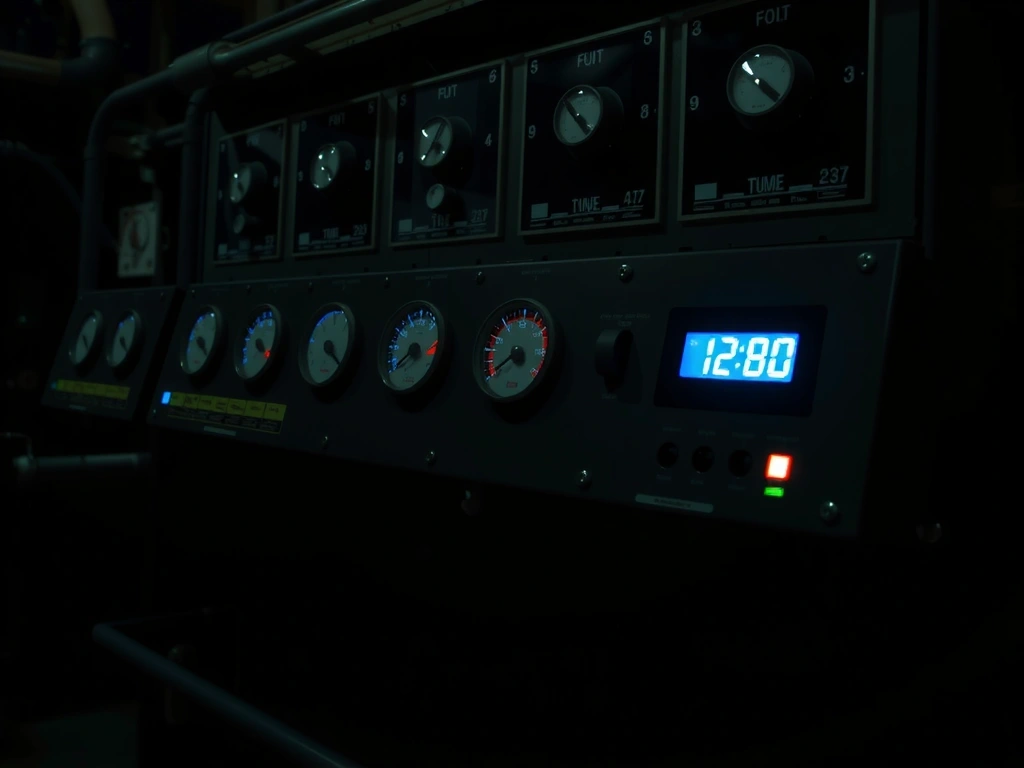
Substation Control Interface

Fig. 1.0: Real-time telemetry monitoring interface simulation.

Primary Learning Tracks

M-01: ADVANCED REACTIVE POWER CONTROL

Instruction centers on stabilizing voltage profiles in transmission systems with low synchronous inertia. Explore the integration of synchronous condensers versus STATCOM deployments and the role of modern inverter software (Grid-Forming Technology) in mimicking inertial response.

Voltage Stability Harmonic Mitigation Inverter Tuning

M-02: HVDC FUNDAMENTALS

Technical breakdown of VSC (Voltage Source Converters) and LCC (Line Commutated Converters) for long-distance subsea links. Essential for professionals managing cross-border energy flows.

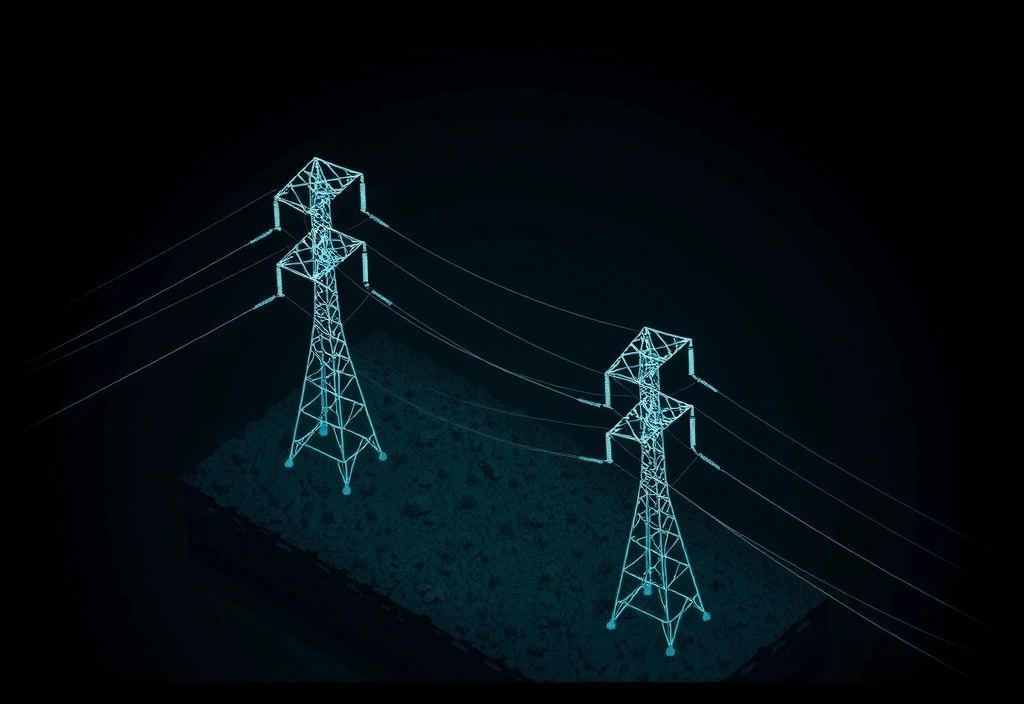
HVDC Infrastructure Schematic

M-03: SUBSTATION AUTOMATION (IEC 61850)

Transitioning from legacy protocols to Ether-based communication. Logic for protective relaying, automated fault isolation, and the security of the physical-digital substation interface.

  • // TARGET: SCADA Systems
  • // PROTOCOL: MMS / GOOSE / SMV
  • // STATUS: Available

M-04: GRID RESILIENCE & BLACK-START

Protocol for total system restoration using localized energy storage and wind assets. Scenario-based training for cascading failure contingencies.

Request Field Guide
Bespoke Analytical Framework

OPERATIONAL COMPETENCY MATRIX

Determining the correct training track requires aligning organizational reliability targets with current infrastructure constraints. We categorize competency through these performance metrics.

Competency Pelonivara Technical Constraint Module Reference Reliability Outcome
Dynamic Stability Rate of Change of Frequency (RoCoF) thresholds M-01, M-06 Reduced load-shedding incidents
Market Clearing Ramp-rate limits and spinning reserves M-09 Optimized economic dispatch volume
Infrastructure Aging Transformer thermal limit degradation M-14 Extended asset operational lifespan
Digital Hardening OT/IT air-gap integrity and encryption M-10 Compliant Cybersecurity Posture

Coord: 48.8738° N, 2.3323° E

Ref: Grid-Academy-Directory-2026

Verification: 4-Level Certification

ENGINEERING PREREQUISITES

Participants are expected to possess a graduate-level understanding of three-phase electrical power systems, Laplace transforms for control loops, and the basic principles of synchronous machines.

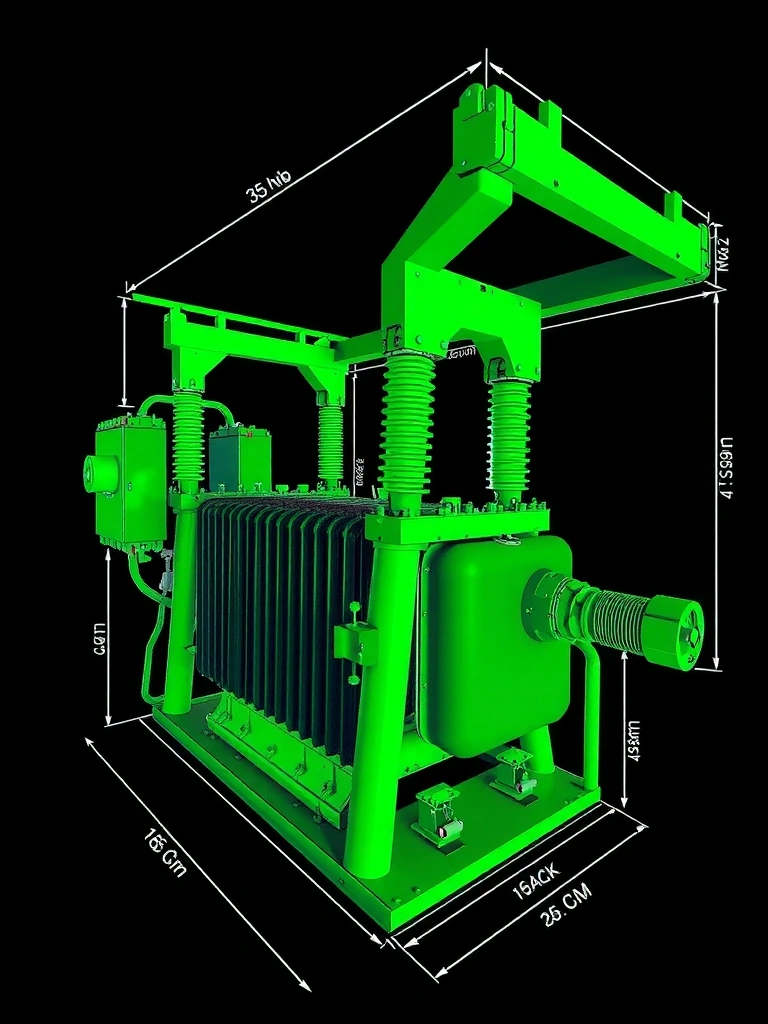
Transformer Blueprint

RENEWABLE INTEGRATION & ASSET OPTIMIZATION

Modern grid planning requires a departure from deterministic modeling toward stochastic climatology analysis. Our curriculum on Renewable Integration Modeling (M-03) utilizes historical weather data to simulate varying penetration levels of non-synchronous generation, focusing on the trade-offs between curtailment and storage deployment.

Furthermore, the role of Utility-Scale Energy Storage (M-07) is examined not just as an energy buffer, but as a source of high-speed frequency regulation. We analyze the economics of battery degradation versus the revenue from synthetic inertia markets.

Technical Insight: Phase Imbalance

"In weak grids with high solar penetration, traditional protection relays often misidentify phase imbalances caused by uneven cloud cover as symmetrical faults. Future-proofing requires adaptive protection settings characterized in Module M-12."
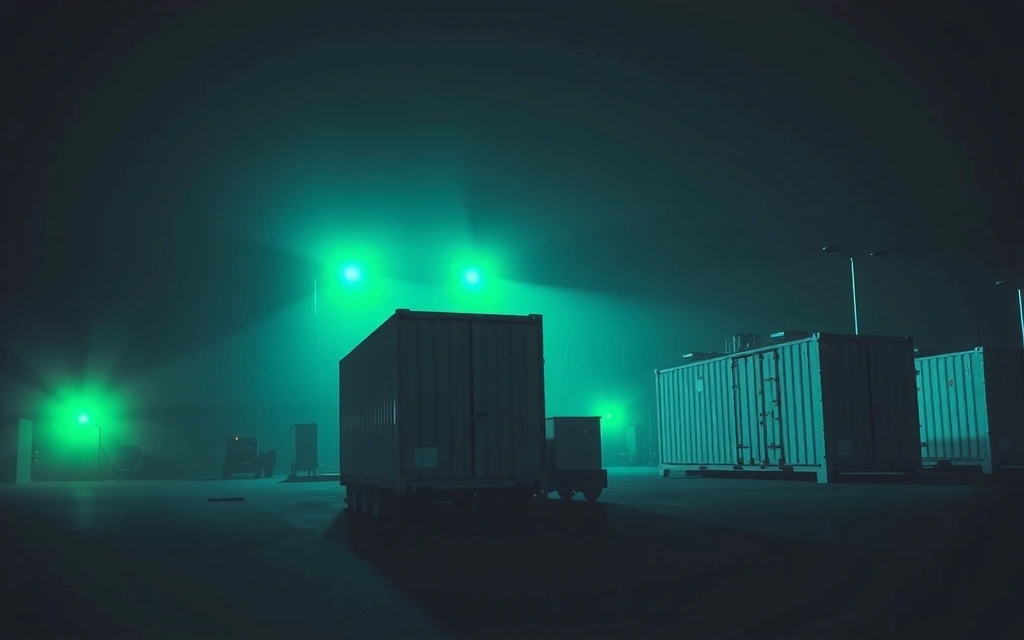
ESS Facility

COMPLIANCE & THE EU ENERGY DIRECTIVE

Navigating the regulatory landscape of the French and European energy markets requires more than engineering skill—it requires an alignment with evolving policy milestones. Module M-11 provides a comprehensive overview of recent regional energy directives and the technical upgrades necessary to meet them by 2030.

  • Transparency in network planning and forecasting.
  • Incentivizing demand-side response in industrial sectors.
  • Strict CO2-intensity thresholds for backup generation.
BIBLIOGRAPHY & STANDARDS

ENTSO-E Network Code on Requirements for Generators (RfG)

Technical specification for connecting power plants to the grid under new stability rules.

IEEE 1547-2018

Standard for Interconnection and Interoperability of Distributed Energy Resources.

CIGRE Technical Brochure 579

Impact of inverter-based generation on bulk power system protection.

FIELD DEPLOYMENT VISUALS

Curriculum Evidence // Archive-09

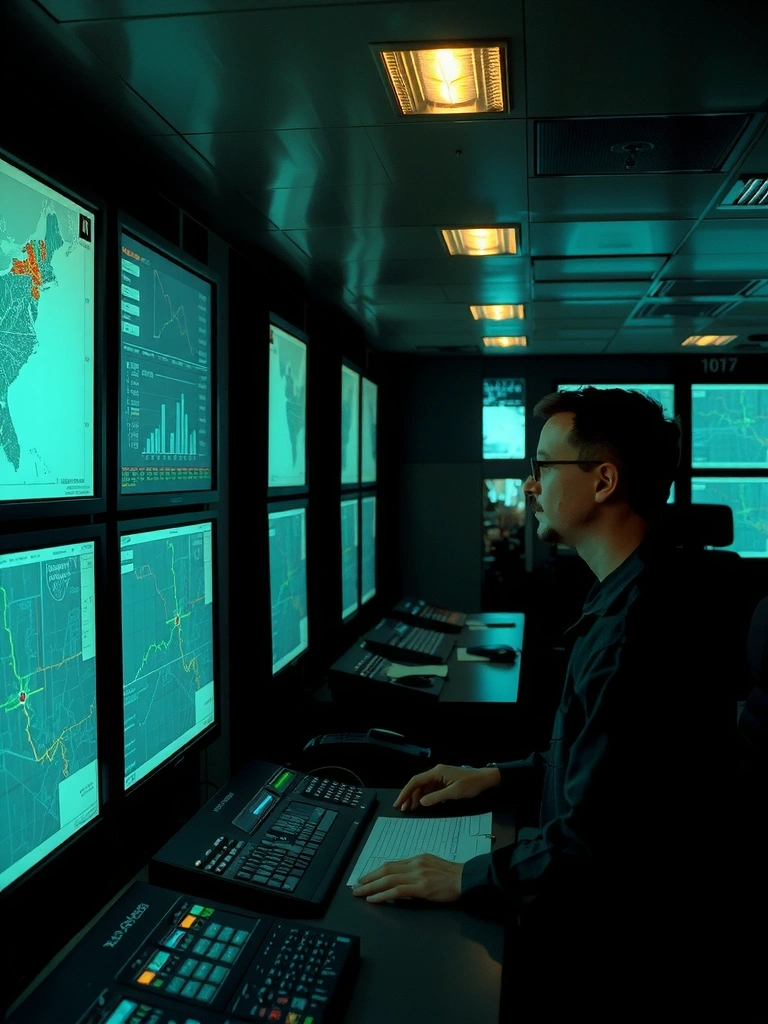
Control Room Operations

M-09: MARKET MECHANICS

Application: Regional Dispatch Coordination

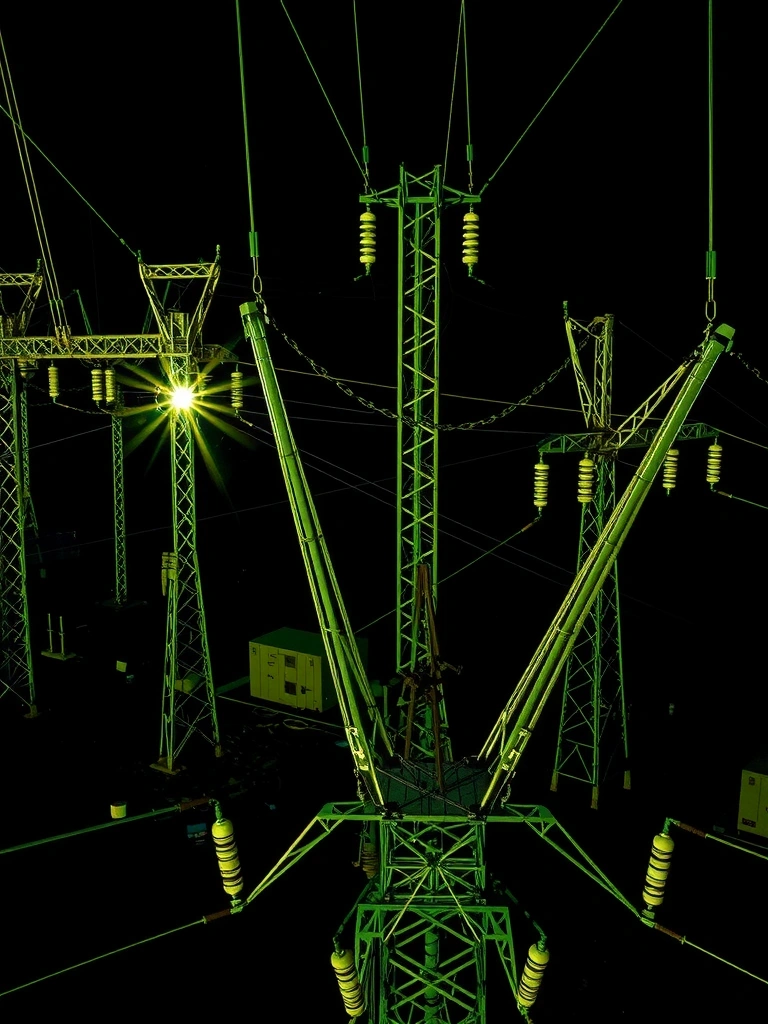
Substation Infrastructure

M-03: AUTOMATION

Application: Asset Connectivity & Data Logs

Cable Integration

M-05: HVDC COMMISSIONING

Application: Cross-border Link Deployment

SECURE YOUR
SYSTEM INTEGRITY

The Grid Ops Academy provides a static, open educational directory for the engineering community. For professional consultation or tailored training workshops at your facility, please contact our Paris headquarters.

GRID OPS CONSULTING // PARIS FR AVAILABILITY: M-F 08:00-19:00 CURRICULUM REV: 24-02-2026