System Status: Active
Industrial Grid Infrastructure
Operational Status: Ready

Tactical Units: Engineering Resilience into Legacy Asset Frameworks.

We deploy specialized consulting units to audit, harden, and optimize industrial infrastructure. Our focus is the critical intersection where legacy high-voltage hardware meets brittle digital control layers.

Infrastructure Vulnerability Index 74.2%
Request Deployment Analysis

Core Capabilities

Our units operate across three primary vectors: Asset Hardening, Load Management, and Regulatory Shielding. No theoretical models—only field-tested engineering protocols.

01

OT Integration & Security

Hardening the interface between Supervisory Control and Data Acquisition (SCADA) systems and standard corporate IT. We resolve the friction between real-time latency requirements and modern encryption overhead.

  • Air-gap Validation
  • Protocol Translation (DNP3/IEC 61850)
  • Hardware-in-the-loop Testing
02

Resource Load Balancing

Dynamic stability analysis for energy-intensive industrial consumers. We build predictive models to manage peak demand surges, preventing unplanned load-shedding and extending the operational lifespan of transformers.

Note: Focus on harmonic distortion mitigation in high-frequency switching environments.
03

Redundancy Protocols

Failover architecture design for mission-critical facilities. Beyond simple backup generation, we develop tertiary resilience loops that account for fuel logistics, localized storage, and rapid grid-blackstart capability.

When Decentralization is the Only Path to Stability.

For remote industrial sites and large-scale manufacturing campuses in France, absolute reliance on the centralized RTE transmission network introduces significant commercial risk. Rising transmission fees and increasing voltage volatility necessitate a shift toward localized energy sovereignty.

A Grid Ops Tactical Unit recently evaluated a facility where EMI (Electromagnetic Interference) from a neighboring rail terminal was compromising sensitive control electronics. Our intervention didn't just suggest shielding; we redesigned the facility's internal power bus to operate as a high-inertia microgrid during peak interference windows.

The Trade-off: Inertia vs. Cost

Choosing high-inertia synchronous condensers over lightweight inverter-based storage increases CapEx by roughly 22%, but ensures grid stability during rapid load imbalances that would otherwise trigger a protective shutdown.

We provide clear decision criteria for these investments, ensuring that the technology matches the actual physics of your local environment, not the generalized marketing promises of equipment vendors.
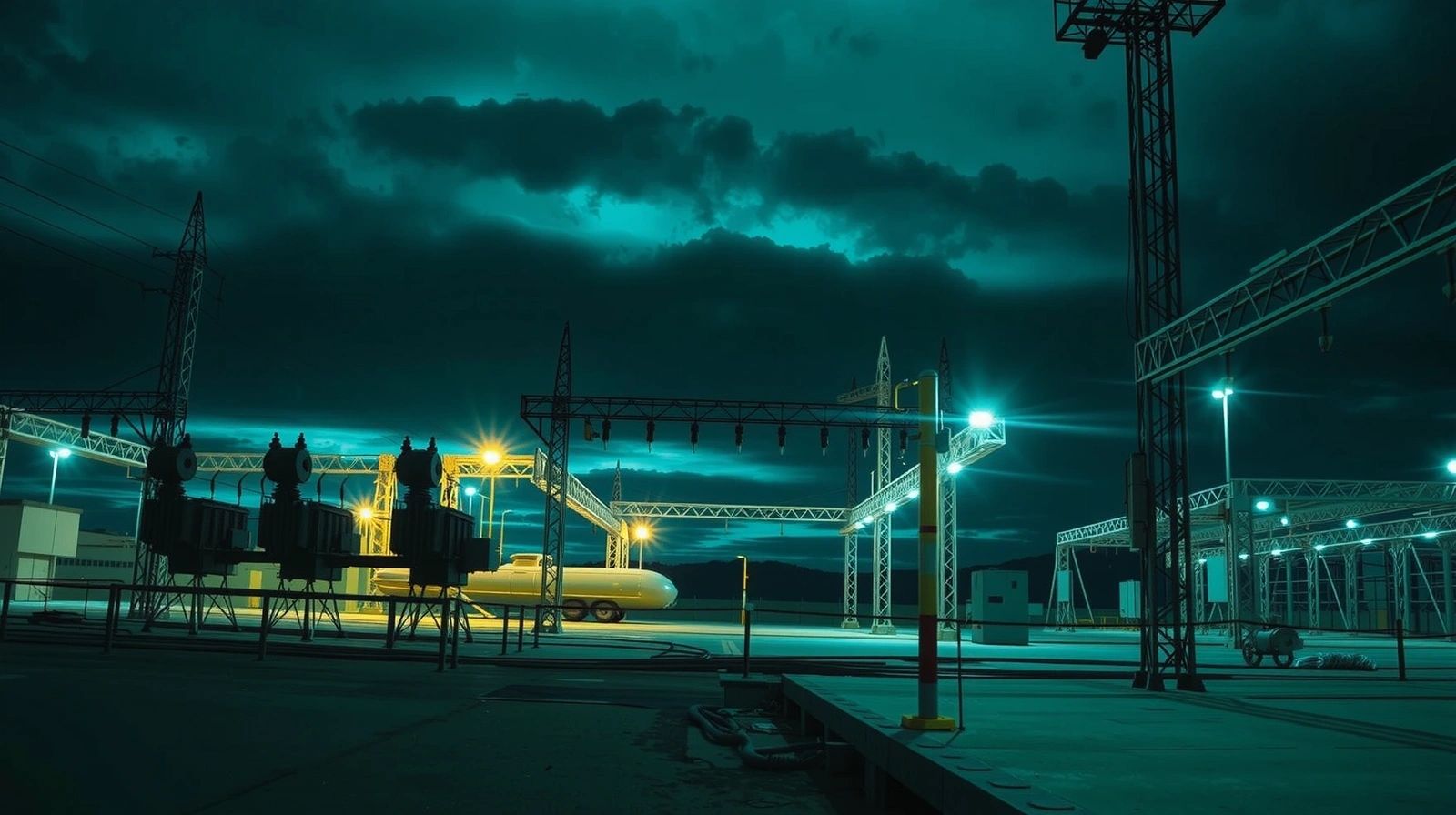
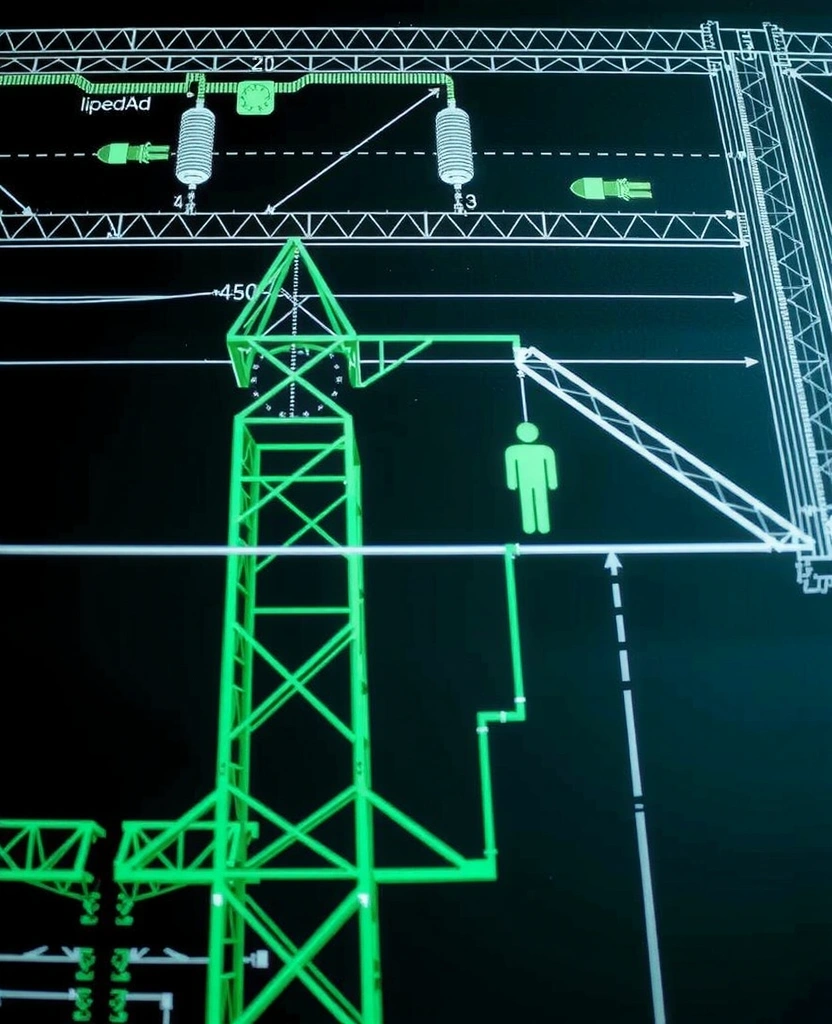
System Blueprint
Sensor Telemetry active GRID-SIG: 44hz

// FIELD LOG: EMI readings exceeded safety thresholds in Segment B. Recommending structural shielding installation and grounding loop audit.

Operational Standards

Diagnostic Phase

Deep Asset Visibility

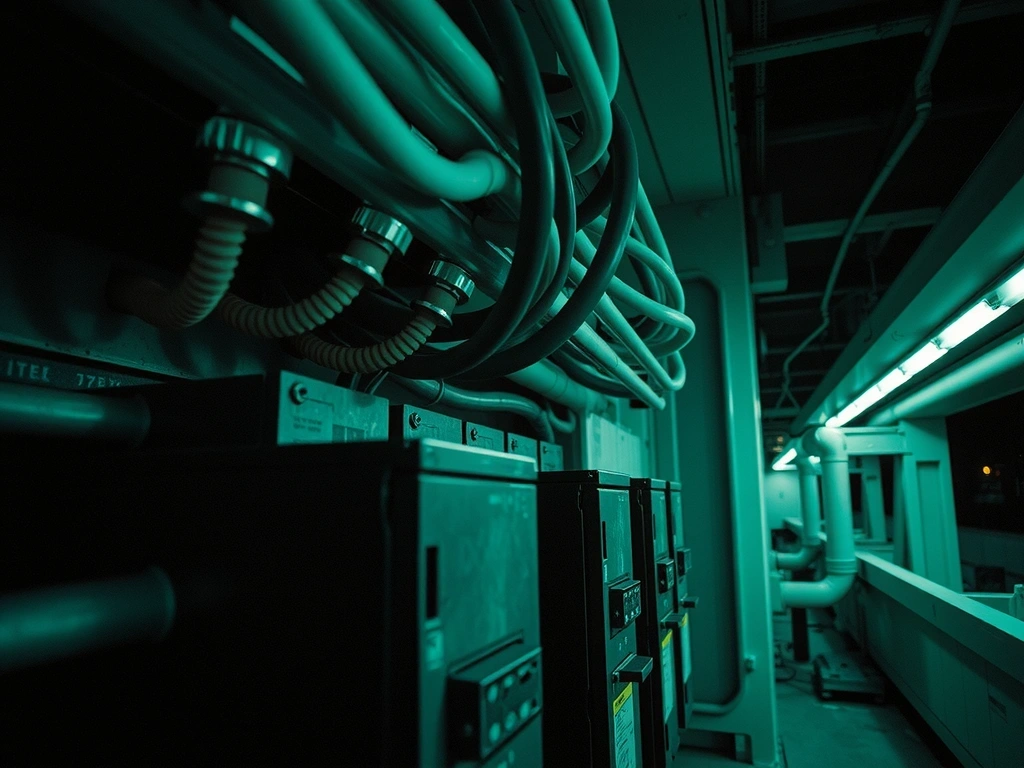
Most organizations lack real-time visibility into their secondary substation health. Our units deploy non-invasive sensing clusters to capture thermal, harmonic, and vibrational signatures that precede component failure.

Outcome: Predictive maintenance scheduling reducing downtime by 14%.

Phased Infrastructure Upgrades

We don't recommend total system overhauls that paralyze production. We design staggered integration pathways where legacy equipment is bridged via modern "edge" controllers, allowing for incremental hardening without massive CapEx spikes.

Outcome: Continuous operation during critical hardening phases.
Implementation Phase
COMMS PROTOCOL

Command Transparency

Technical failure often stems from communication failure. We implement standardized linguistic protocols and hierarchy frameworks (ICS-inspired) to ensure that during a grid event, decisions are made via data, not panic.

Outcome: Mean Time to Recovery (MTTR) improvement across all units.

Navigating European Market Directives

Operating in the French and EU markets requires more than just engineering—it requires foresight into shifting regulatory landscapes regarding grid balancing and carbon reporting.

Active Monitoring List:

ENTSO-E Resource Adequacy Critical
CRE Tariff Adjustments Monitoring
EU Industrial Decarbonization Roadmap Strategic
Compliance Proofing

Ensure your asset management strategy aligns with the latest French Energy Code updates, specifically regarding demand-response participation.

Audit Readiness

Our Tactical Units prepare the technical documentation required for safety oversight and industrial insurance premium adjustments.

Supply Chain Stability

Evaluating the impact of high-power EV fleet integration on localized transformer capacity and heat dissipation.

Thermal Controls

Designing cooling strategies for edge-compute clusters within high-voltage environments to prevent signal degradation.

Deploy a Tactical Unit to Your Node.

We do not sell boxed products. We provide engineering clarity. Start with a direct site assessment to identify immediate grid stress points before they escalate into cascading failures.

Client 1 Client 2 Client 3