OPERATIONAL
STANDARDS
Grid Ops Consulting operates under a strict technical mandate. We provide neutral, evidence-based frameworks for high-stakes energy infrastructure. Our standards are not industry suggestions; they are the baseline for systemic resilience in evolving continental grids.
Data Integrity as a Fundamental Constraint
Reliable grid management is impossible without signal fidelity. In our consulting engagements, we treat data integrity not as a software requirement, but as a physical safety protocol. Modern utilities frequently struggle with the noise generated by legacy hardware sensors interfacing with high-speed digital oversight systems.
Grid Ops Consulting employs a three-stage verification process for all modeling: secondary verification of raw sensor feeds, harmonic distortion analysis of signal patterns, and historical back-testing against verified outage logs. By ensuring clean data feeds, we produce equipment lifecycle projections that are grounded in reality—not marketing-led optimism.
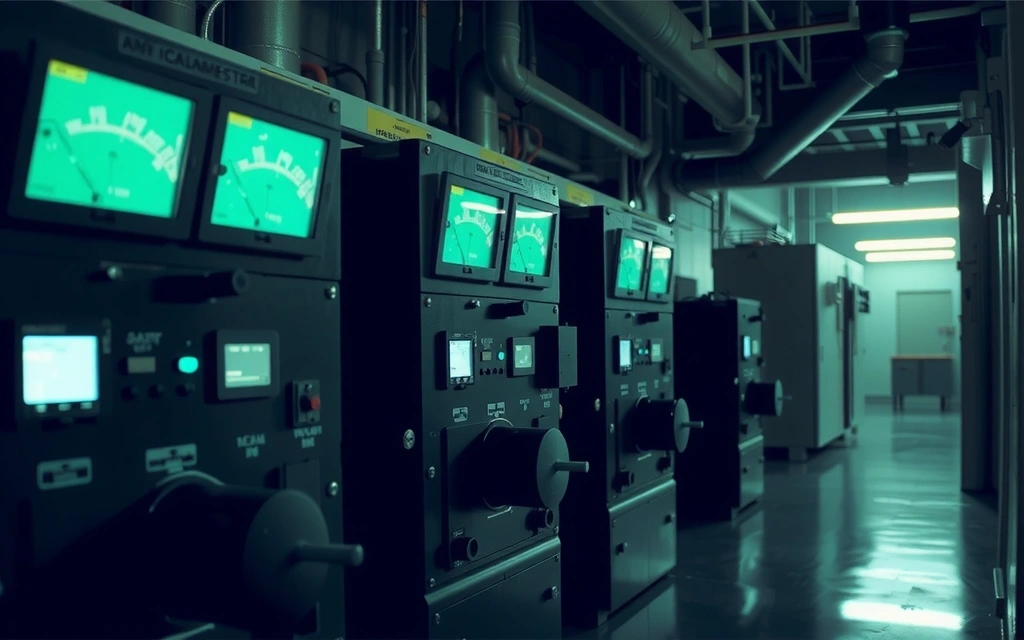
Ref: Substation Monitor Alpha-9
Standardizing signal protocols between 1980s mechanical relays and 2026 digital SCADA interfaces.
Operational Benchmarks
- Signal Latency Threshold <12ms (Target)
- Data Redundancy Ratio 3:1 Failover
- Verification Frequency Real-time Batching
- Manual Oversight Trigger ±5% Deviance
THE OPERATIONAL MATRIX
Cyber-Physical Isolation
We mandate the air-gapping of critical control networks from generic enterprise IT environments. Our consulting standards strictly prohibit the use of public-facing cloud protocols for real-time load balancing commands.
Frequency Stability Equilibrium
A strict focus on 50/60Hz equilibrium maintenance during non-synchronous renewable integration. We develop Inertia Compensation Strategies to address the loss of rotating mass in modern grids.
Thermal Dynamic Protocol
Engineering load distribution based on real-time environmental thermal shifts. Our advisory frameworks include proactive cooling triggers for aging substation transformers during seasonal peak surges.
Human-In-The-Loop (HITL)
Automation is used for efficiency, never for ultimate accountability. All critical system overrides require expert manual verification based on non-linear anomaly detection protocols.
Asset Lifecycle Reality
Economic dispatch vs. operational life. We prioritize transformer insulation health and switchgear readiness over short-term cost-optimization during high-stress dispatch cycles.
Inter-Region Reliability
Standardizing technical cooperation across regional interconnectivity zones. We move past regional silos to implement shared stability metrics for cross-border transmission.
REGULATORY ALIGNMENT AS A TECHNICAL CONSTRAINT
Regulatory standards are often viewed as checkboxes for legal compliance. At Grid Ops, we view them as physical constraints that dictate the boundaries of engineering possibility. In the French and broader EU energy market, environmental directives and decentralization targets (such as those from RTE or the European Network of Transmission System Operators) fundamentally shift the reactive power requirements of a micro-grid.
Our consulting approach integrates these shifting standards into the initial modeling phase. We don't "audit" for compliance at the end; we leverage the compliance parameters to define the load capacities and investment strategies for the next decade of infrastructure development. This method reduces the commercial risk of asset obsolescence due to legislative updates.
Notice on Quantitative Metrics
Grid Ops Consulting does not provide "guaranteed" uptime percentages. We provide probabilistic resilience assessments based on MTTR (Mean Time to Recovery) and system-wide stress tests conformant with IEC 61850 standards.
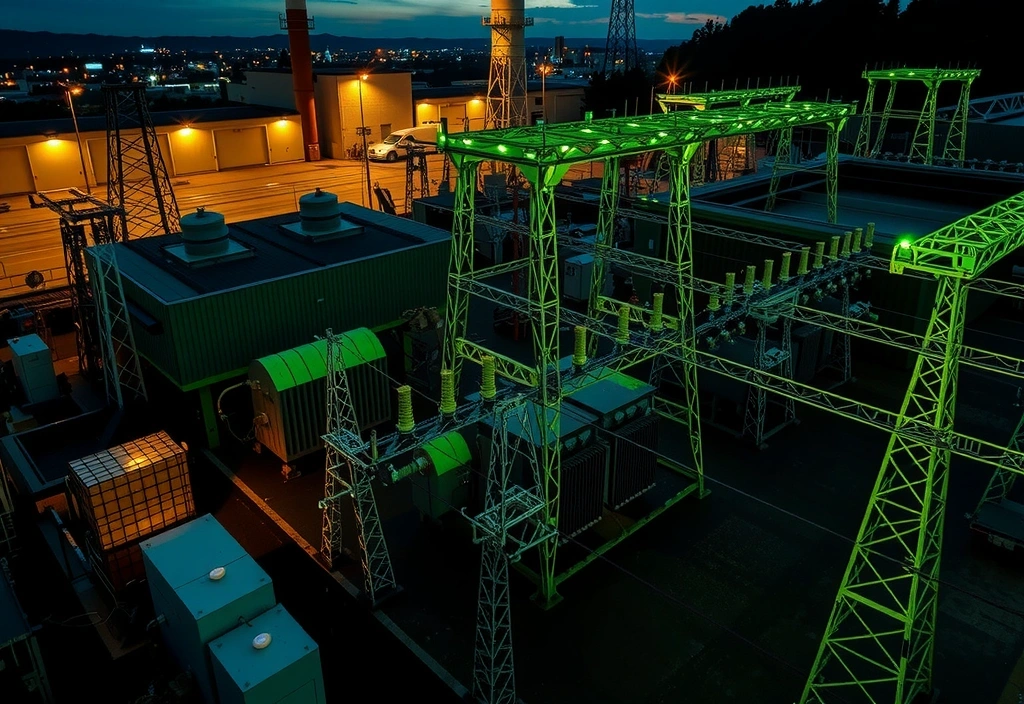
"Immediate stability maintenance vs. long-term decarbonization costs. The priority must remain on inertia management until the inverter-based resource transition reaches 60% saturation."
THE RESILIENCE FRAMEWORK
A Neutral Assessment of Operational Safety
Vulnerability Mapping
Identifying single points of failure within a cascading grid architecture. We prioritize local micro-grid isolation (islanding) to prevent systemic collapse during peak load fluctuations.
EV Load Clustering
Managing high-density localized demand surges through intelligent transformer-level monitoring. We model the impact of charging clusters on urban substation thermal ratings.
Cyber-Physical Security
Ensuring the physical integrity of control systems. We focus on non-routable communication protocols for critical protection relays and busbar management zones.
Frequency Response
Primary, secondary, and tertiary frequency control frameworks. We evaluate both synchronous condenser deployments and fast-acting battery storage system (BESS) integration.
SECURE THE GRID BASELINE
Operational standards are the difference between strategic resilience and systemic vulnerability. If you are managing critical infrastructure or navigating the engineering complexity of grid modernization, our methodology provides a stable foundation for your technical roadmap.